Habit tracking
The gamified habit tracker app that turns goals into quests
Checkbox habit trackers fade fast. Here's what makes a gamified habit tracker worth coming back to, and how Unwritten Quest approaches it.
Most habit trackers start strong and go quiet by week three. The problem isn't your willpower. It's that a checkbox is a boring reward for a hard thing. A gamified habit tracker changes the deal: it makes showing up feel like progress in a story, not an entry in a spreadsheet.
Why gamification works for habits
Gamification borrows the things games do well, like quests, levels, visible progress, and a sense of world, and applies them to the things life makes hard. The point isn't novelty for its own sake. It's that a small, well-timed reward can turn "I should" into "I want to," which is exactly the gap a habit needs to cross.
What makes a great gamified habit tracker
- Quests, not checkboxes: each day has a small, specific step with a reason behind it.
- A journal, so the habit has a place to think and breathe, not just a tally.
- A visible progress map, because seeing the path is half the motivation.
- A guide that responds, so you're never stuck alone with a blank page.
- Forgiving streaks, because real life includes missed days.
Quests over checkboxes
A checkbox asks "did you?" A quest asks "what's the next small step in the story?" That shift matters. A quest has a shape: a beginning, a tiny challenge, a return. It fits inside a larger adventure instead of floating in a list, and it gives the day's habit a why.
A journal, not just a tally
Tracking tells you what happened. Journaling tells you what it meant. A few lines of reflection each day turn a streak into a record of who you're becoming, and give you somewhere to notice patterns, name obstacles, and celebrate the small wins a tracker would miss.
A progress map you can see
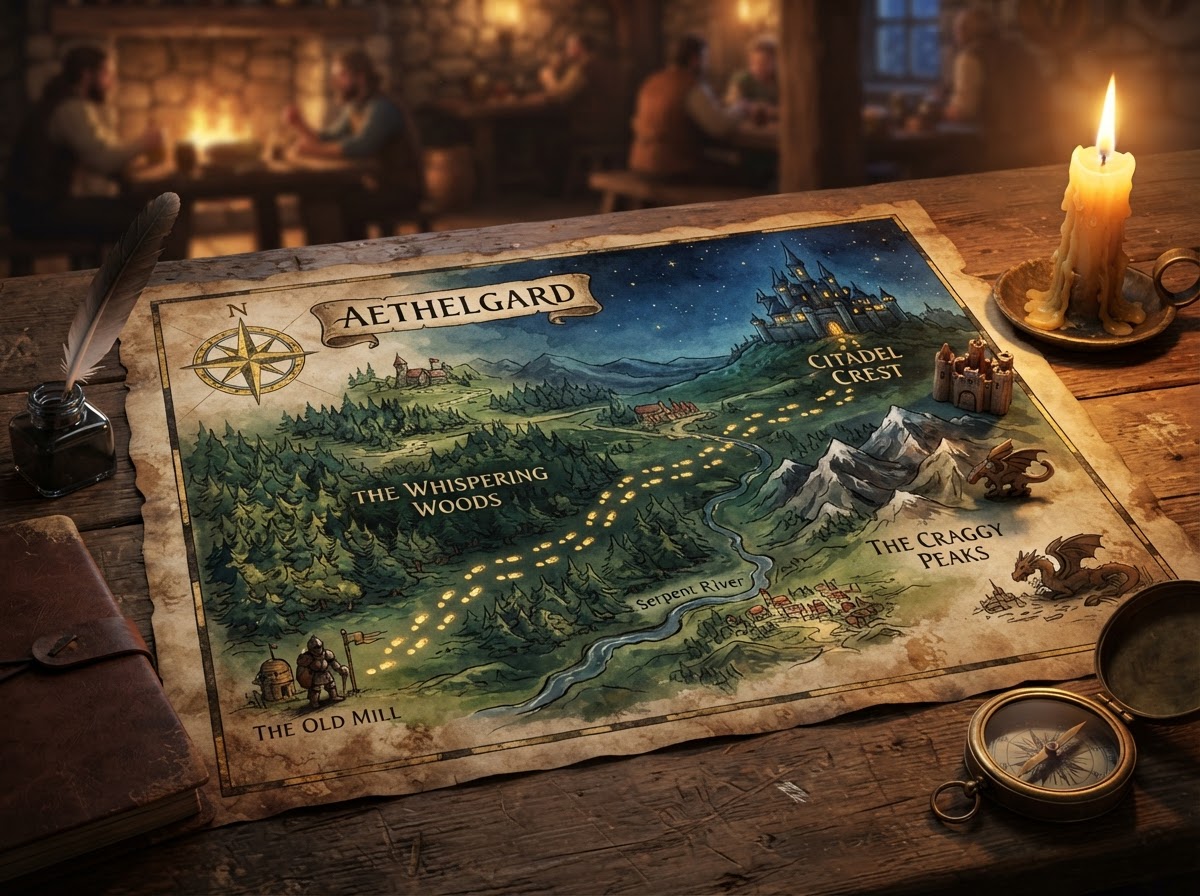
Progress is hard to feel day to day. A visual map makes it visible: the path you've walked, the checkpoints behind you, the next stretch ahead. Seeing the shape of your journey is a quiet, powerful motivator, and it makes the cost of stopping visible too.
A guide who responds
The hardest part of any goal is the moment you get stuck and there's no one to ask. A guide who responds, even a fictional one, can reframe the stuck day, suggest a smaller step, and hand you the exact nudge you needed. It's the difference between a blank page and a starting line.
How Unwritten Quest compares
Where a typical habit tracker gives you a grid of boxes, Unwritten Quest gives you a 30-day adventure: daily quests, a fillable journal, a progress map, and Elara as your AI guide. It's built for the goal that keeps getting postponed, the one that needs a story more than a streak.
How Unwritten Quest helps
Unwritten Quest is a gamified habit tracker for a single, meaningful goal. Each day brings a small quest, a journal prompt, and a nudge from Elara. A visual map shows your progress, and weekly checkpoints turn reflection into momentum. It's $29/month, with your first 30-day adventure included.
Frequently asked questions
Make one of those “someday” plans happen.
Small, guided solo adventures that help you practise doing more on your own — at your own pace.
The seven-quest pack is coming soon · One-time €19 · No subscription
Keep reading
Related guides
Motivation
How to stay motivated to reach your goals
Motivation fades — systems don't. Keep going on the goals you keep postponing with small daily quests, reflection, and a little story.
7 min read
Journaling
The benefits of journaling for goal achievement
Writing down your goals makes you more likely to reach them. Here's what the research says about journaling, focus, and follow-through.
7 min read
Habit building
How to build habits that actually stick
Most habits fall apart by week two. Here's how to design one that survives — small steps, visible progress, and a story worth returning to.
6 min read